
Witcher 3 Best Skills for Early Game: What to Buy First (Levels 1-15)
Witcher 3 best early game skills: what to buy first, how skill slots and mutagens work, three starter builds for levels 1-15, skills to skip and how to respec.

In this article (0 sections)
Updated September 27, 2026. The best early skills in The Witcher 3: Wild Hunt are the ones that make Geralt hit harder and survive longer from the first fight: Muscle Memory and Strength Training for sword damage, Exploding Shield or Melt Armor for Signs, Sun and Stars for free healing, and Resolve into Undying as a safety net. This guide covers the current Complete Edition (the next-gen version) for levels 1 to 15: how ability points and skill slots work, what each recommended skill actually does, three starter builds, what to skip, and how to respec.
Quick answer
Put your first points into Muscle Memory (+5% fast attack damage per rank) and Strength Training (+5% strong attack damage per rank), grab Sun and Stars for out-of-combat healing, and add one Sign skill such as Exploding Shield (Quen) or Melt Armor (Igni). Once you have 6 points in Combat, Undying becomes available and turns Adrenaline into a second life. If you change your mind, a Potion of Clearance (1,000 crowns) refunds every point.
How Ability Points, Skill Slots and Mutagens Work Early
Geralt earns one ability point per level-up. You can also get extra points from Places of Power: the first time you draw on each one, it grants one ability point. Early on, these are the fastest way to get ahead of the level curve, so interact with every Place of Power you pass.
Buying a skill is only half the job. Active skills have to be dragged into a skill slot on the character screen to do anything. The base game gives you 12 skill slots, arranged in four groups of three, and they unlock gradually as Geralt levels up. At level 1 to 15 you will only have a handful open, which is why picking the right few skills matters more than spreading points around.
There is an important detail that trips up new players: points spent in a tree count toward that tree's unlock requirements whether or not the skill is slotted. That means you can buy a cheap skill you never equip just to reach the next row.
Tier requirements
Each tree is split into rows. In the Combat tree, the second row needs 6 points spent in Combat, the third needs 12, and the fourth needs 18. The deeper rows hold the flashy skills (Whirl, Rend, Crippling Strikes), but for levels 1 to 15 you will realistically live in the first two rows of one or two trees.
Mutagen slots
Each group of three skill slots has a mutagen slot next to it, and there are four in total. These also unlock with character level, so you may only have one or two in the early game. Mutagens come in three colors that match the skill trees:
- Red mutagens boost attack power and pair with red Combat skills.
- Blue mutagens boost Sign intensity and pair with blue Sign skills.
- Green mutagens boost Vitality and pair with green Alchemy skills.
Every skill of the matching color slotted in the same group increases that mutagen's bonus by 100%. A red mutagen next to three red Combat skills is worth far more than the same mutagen next to a random mix, so try to keep each group one color.

The Four Skill Trees Explained
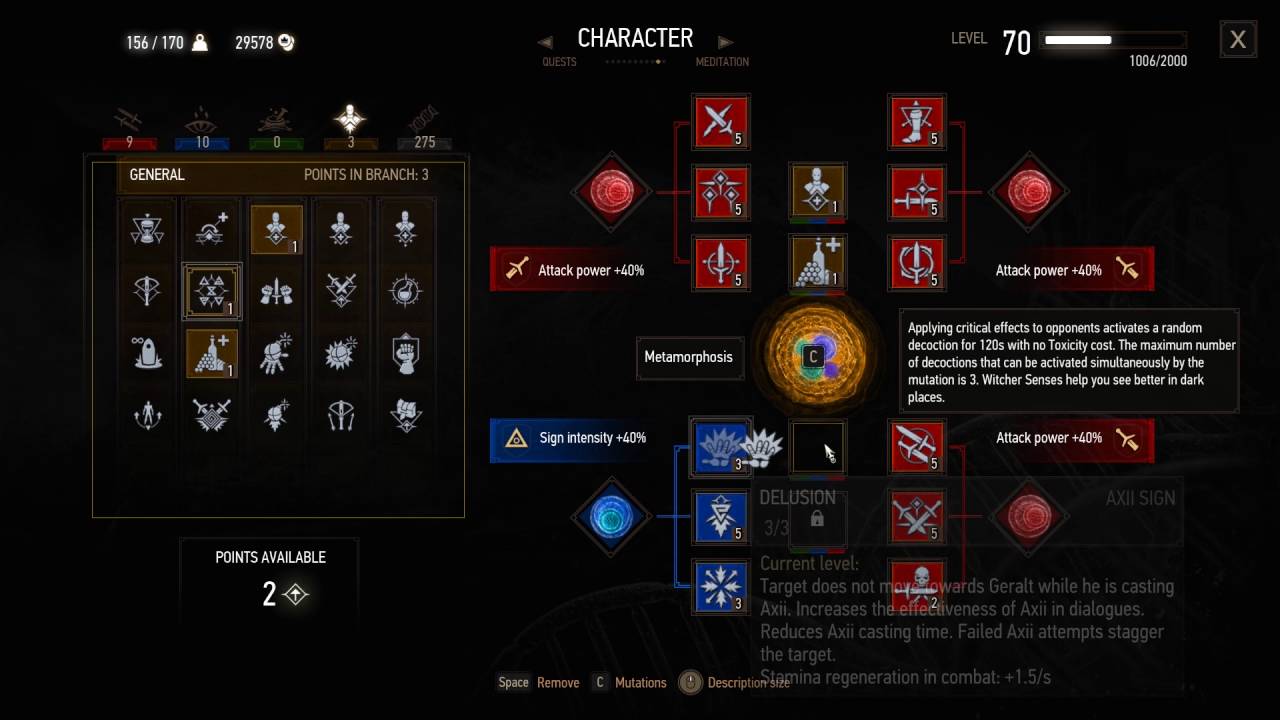
The character panel has four skill categories. Three of them (Combat, Signs, Alchemy) use tiers; the fourth (General) does not.
Combat (red)
Five branches: Fast Attack, Strong Attack, Defense, Marksmanship (crossbow) and Battle Trance (Adrenaline). This is where raw sword damage and survivability live, and it is the most forgiving tree for a first playthrough.
Signs (blue)
One branch per Sign: Aard, Igni, Yrden, Quen and Axii. First-row skills improve the basic Sign, the second row unlocks an alternate Sign mode (such as Firestream or Active Shield), the third row raises Sign intensity, and the fourth adds a strong capstone effect.
Alchemy (green)
Branches for Brewing (potions), Oil Preparation, Bomb Creation, Mutation (decoctions and Toxicity) and Trial of the Grasses. Alchemy is strong but slower to pay off, because it relies on having good potion and decoction recipes.
General
Single-rank passive skills with no tier requirement, available from the start. Each costs one point and is fully upgraded immediately. Several of them, such as Sun and Stars and Survival Instinct, are excellent early buys. For fundamentals that no skill replaces, pair this guide with our Witcher 3 combat tips for beginners.
Best Early Skills Compared
Here is every skill this guide recommends in one place, so you can compare what each one does and which build it suits before spending points. The sections below explain each one in more detail.
| Skill | Tree | Tier | What it does | Best for |
|---|---|---|---|---|
| Muscle Memory | Combat (red) | 1 | +5% fast attack damage per rank | Swordsman |
| Strength Training | Combat (red) | 1 | +5% strong attack damage per rank | Swordsman |
| Resolve | Combat (red) | 1 | Lose fewer Adrenaline Points when hit | Swordsman |
| Undying | Combat (red) | 2 | Spends Adrenaline to save you from death | Swordsman |
| Fleet Footed | Combat (red) | 2 | 20% less damage taken while dodging (rank 1) | Any build |
| Exploding Shield | Signs (blue) | 1 | Breaking Quen pushes enemies back | Sign caster |
| Melt Armor | Signs (blue) | 1 | Igni damage weakens enemy armor | Sign caster |
| Delusion | Signs (blue) | 1 | Axii target stops moving toward you while casting | Sign caster |
| Far-Reaching Aard | Signs (blue) | 1 | Longer Aard range | Sign caster |
| Active Shield | Signs (blue) | 2 | Held Quen shield that absorbs damage | Sign caster |
| Sun and Stars | General | — | Regenerates Vitality during the day out of combat | Any build |
| Survival Instinct | General | — | +500 maximum Vitality | Any build |
| Acquired Tolerance | Alchemy (green) | 1 | Known level 1 formulas raise max Toxicity | Potion hybrid |
| Heightened Tolerance | Alchemy (green) | 1 | Higher overdose threshold (75% to 80% at rank 1) | Potion hybrid |
| Refreshment | Alchemy (green) | 2 | Each potion dose heals 5% Vitality (rank 1) | Potion hybrid |
Best Early Combat Skills
Muscle Memory (Fast Attack, tier 1)
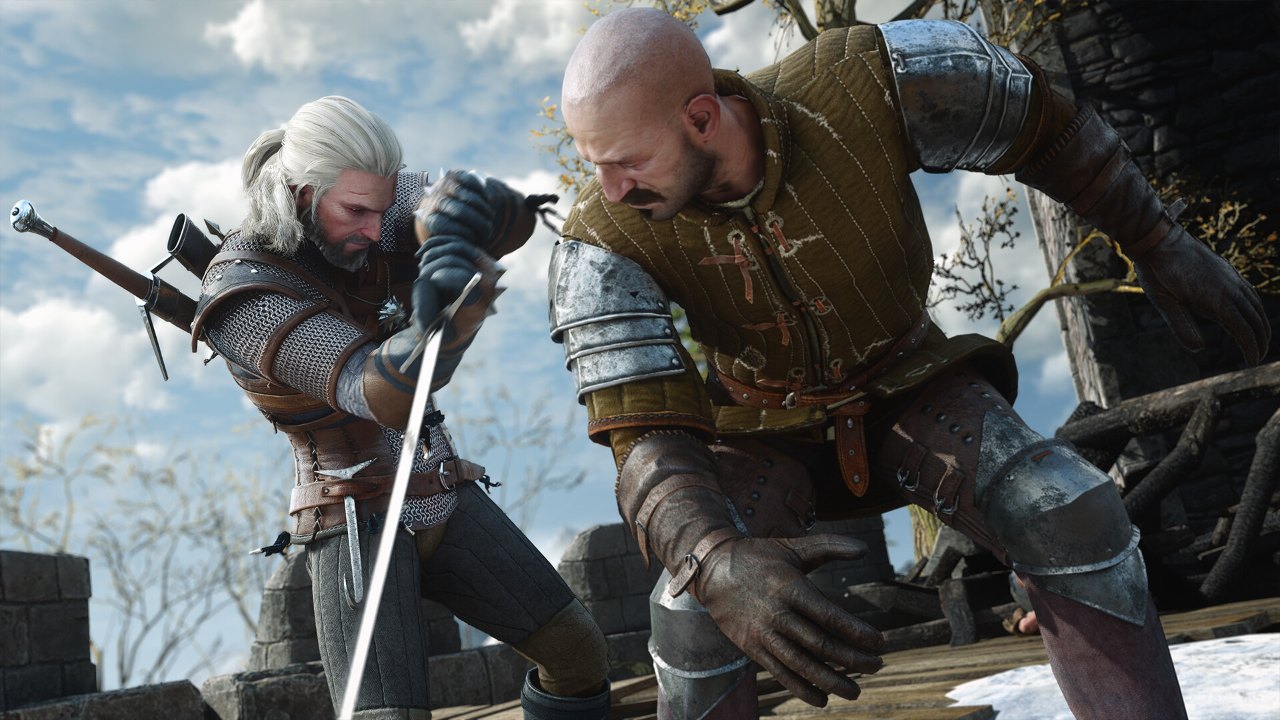
Increases fast attack damage by 5% per rank (5 ranks) and slightly increases Adrenaline gain. Fast attacks are safer than strong attacks against most human enemies and drowners, so this is the most reliable first point in the game.
Strength Training (Strong Attack, tier 1)
Increases strong attack damage by 5% per rank (5 ranks), plus a small Adrenaline gain bonus. Strong attacks are slower but useful against staggered or knocked-down enemies. Many players put points into both Muscle Memory and Strength Training to reach the 6-point threshold quickly while getting value at every step.
Resolve (Battle Trance, tier 1)
Reduces the Adrenaline Points you lose when you take damage (20% less at rank 1). On its own it is modest, but it keeps Adrenaline around for the next skill in the branch.
Undying (Battle Trance, tier 2)
When Vitality reaches zero, Geralt consumes available Adrenaline Points to restore Vitality instead of dying. The amount restored scales with the Adrenaline spent. It unlocks after 6 points in Combat and is one of the best mistake-forgiving skills for new players.

Fleet Footed (Defense, tier 2)
Reduces damage from hits received while dodging by 20% at rank 1. If you dodge a lot, this is a solid second-row pick. Players who prefer to parry should read our guide to parrying and counterattacking in Witcher 3 first, since the Defense branch rewards good timing.
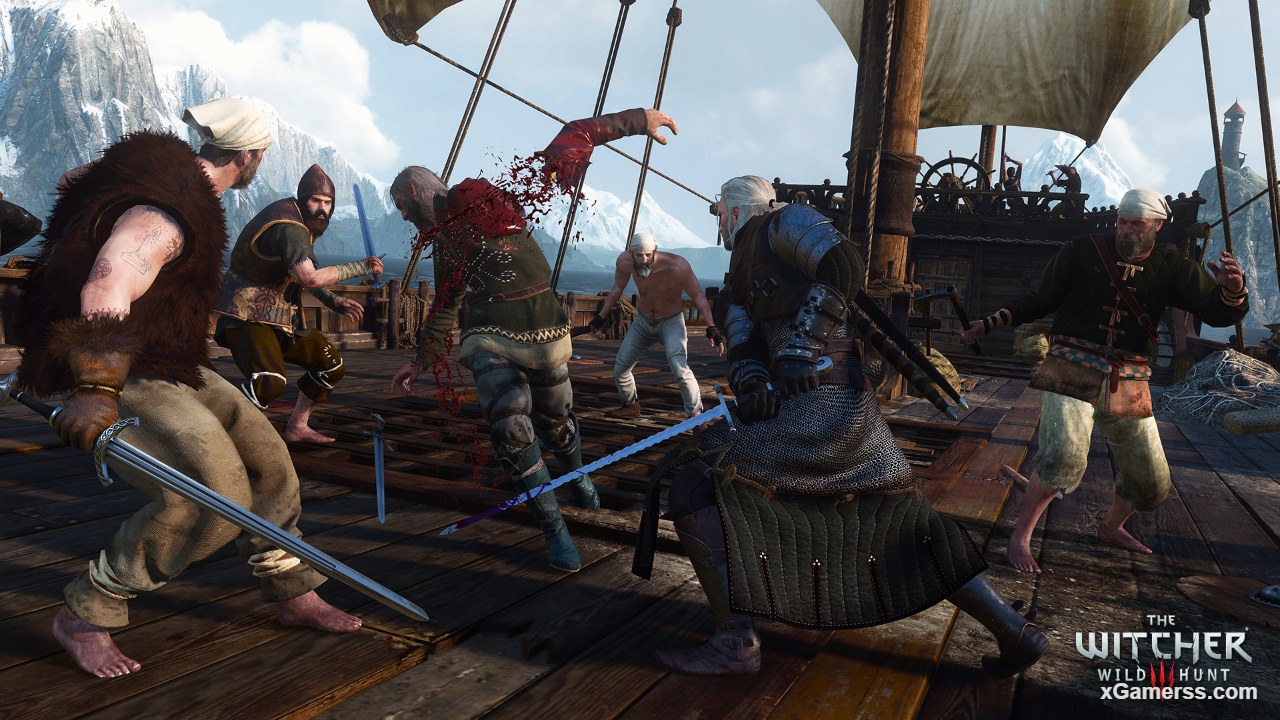
Best Early Sign Skills
Exploding Shield (Quen, tier 1)
When your Quen shield breaks, it pushes nearby opponents back (3 ranks, with damage added at higher ranks). Quen is the single most useful defensive tool for new players, and Exploding Shield buys breathing room every time the shield pops.
Melt Armor (Igni, tier 1)
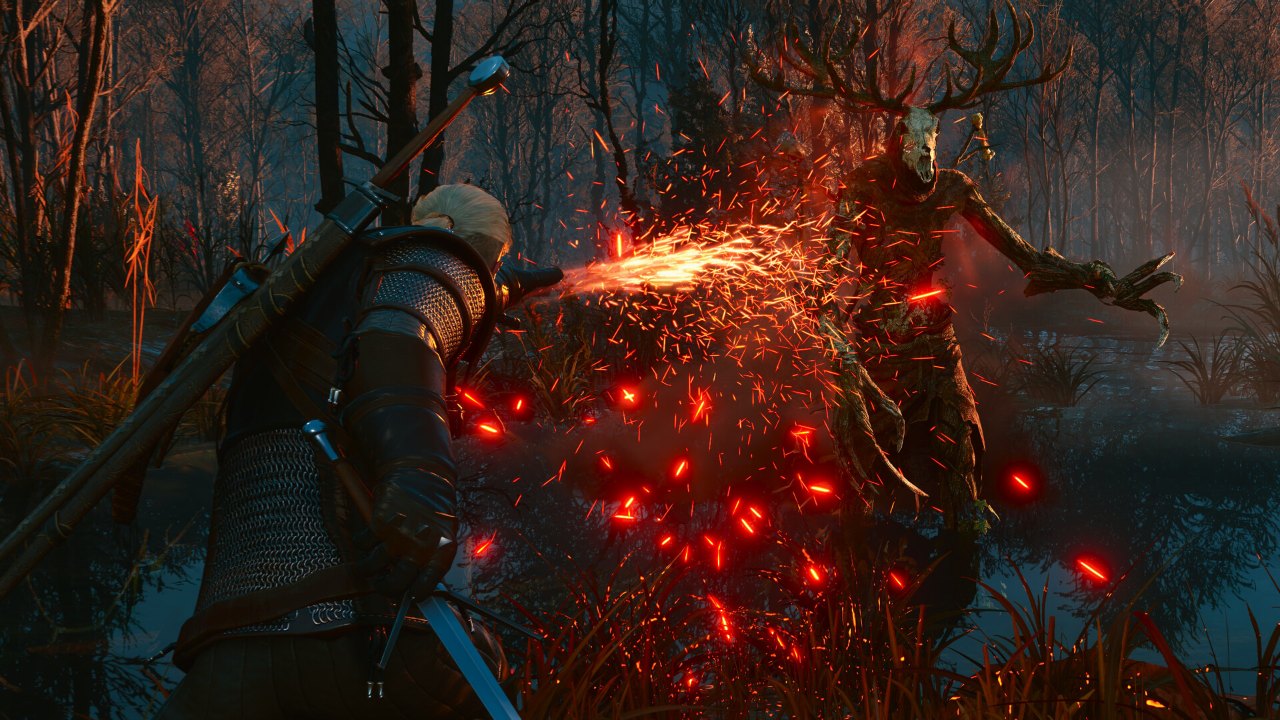
Damage dealt by Igni also permanently weakens enemy armor (5 ranks). Against armored soldiers and bandits, a quick Igni before you start swinging makes every follow-up sword hit count for more.
Delusion (Axii, tier 1)
The target does not move toward Geralt while you are casting Axii (3 ranks). More importantly for many players, Delusion opens up extra Axii dialogue options at various points in the story, some of which need higher ranks. If you like talking your way out of trouble or getting better deals, it is worth a point or two.
Far-Reaching Aard (Aard, tier 1)
Increases Aard's range (3 ranks). Aard can knock enemies down for easy follow-ups, and extra range makes that more consistent. It is a reasonable filler point for a Sign build.
Active Shield (Quen, tier 2)
Unlocks Quen's alternate mode, a shield you hold that absorbs damage. It needs 6 points in the Signs tree, so it is a mid-early goal rather than a level-3 pick, but it is a big step up for a caster.
Best Early Alchemy and General Skills
Sun and Stars (General)
During the day, Vitality regenerates by 10 points per second out of combat. At night, you get +1 Stamina per second during combat. That daytime regeneration means far less meditating or eating between fights, which is why this is a near-universal early pick.

Survival Instinct (General)
Increases maximum Vitality by 500. One point for a flat, always-on health boost is excellent value at low levels, when Geralt's health pool is small.
Acquired Tolerance (Alchemy, Mutation, tier 1)
Every level 1 alchemy formula you know increases maximum Toxicity by 1 (3 ranks). More Toxicity means more potions active at once.
Heightened Tolerance (Alchemy, Brewing, tier 1)
Raises the potion overdose threshold (from 75% to 80% at rank 1), letting you drink more before Toxicity starts hurting you. This is the starting point for any alchemy-leaning build.
Refreshment (Alchemy, Brewing, tier 2)
Each potion dose you drink heals 5% of maximum Vitality at rank 1. Combined with the two tolerance skills, potions become a reliable heal in the middle of fights.
Three Early Builds (Levels 1 to 15)
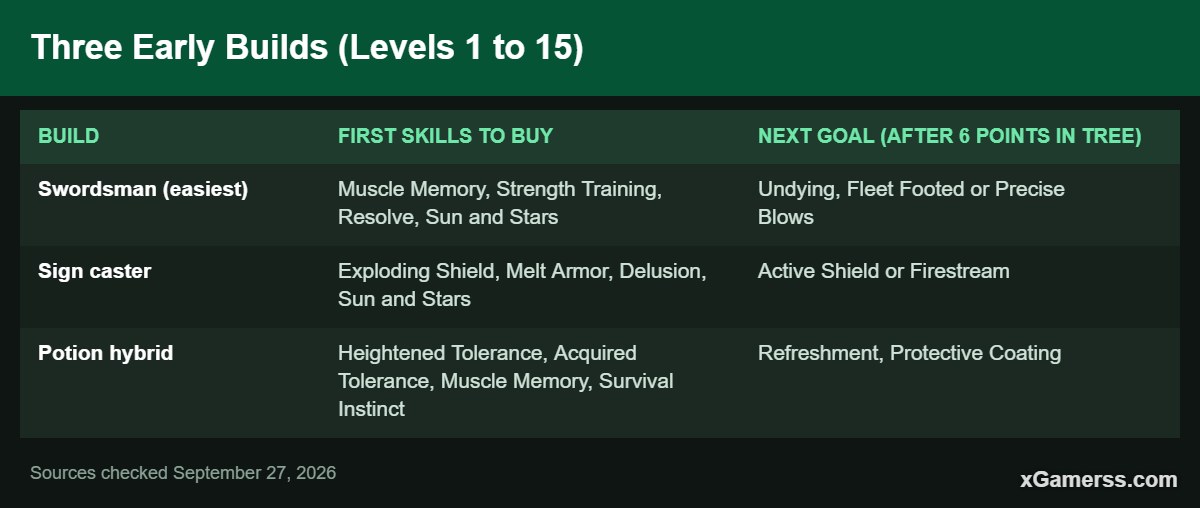
These are starting points, not rigid templates. The goal is to fill your limited slots with skills that work together and match a mutagen color.
| Build | First skills to buy | Next goal (after 6 points in tree) | Mutagen color |
|---|---|---|---|
| Swordsman (easiest) | Muscle Memory, Strength Training, Resolve, Sun and Stars | Undying, Fleet Footed or Precise Blows | Red |
| Sign caster | Exploding Shield, Melt Armor, Delusion, Sun and Stars | Active Shield or Firestream | Blue |
| Potion hybrid | Heightened Tolerance, Acquired Tolerance, Muscle Memory, Survival Instinct | Refreshment, Protective Coating | Green (alchemy group) |
Swordsman
Alternate points between Muscle Memory and Strength Training until you have 6 in Combat, then take Undying. Resolve keeps Adrenaline from draining when you get hit, which feeds Undying. Keep the Combat skills in one slot group with a red mutagen when you get one. Cast Quen before engaging even without Sign skills; the base shield is still valuable.
Sign caster
Quen and Igni carry this build. Open with Igni and Melt Armor against armored enemies, keep Quen up, and use Delusion both in combat and in conversations. Once you hit 6 points in Signs, Active Shield gives you a sustained defensive option. Blue mutagens next to blue skills increase Sign intensity.
Potion hybrid
This is the slowest starter. The tolerance skills let you run more potions, and Refreshment turns each dose into healing. It works best if you actively collect alchemy formulas, since Acquired Tolerance scales with the number of level 1 formulas you know. Keep a few Combat points for damage so fights do not drag.
Skills to Skip Early
- The Marksmanship branch (Lightning Reflexes, Cold Blood and so on). The crossbow is mostly for flying enemies and underwater fights; spending scarce early points here gives little return.
- Arrow Deflection. It only deflects arrows while parrying. Useful against archer-heavy camps, but too narrow for a limited slot.
- Heavy Artillery and bomb-focused General skills. They need a reliable bomb supply and a bomb build around them.
- Strong Back. Carrying 60 more weight is convenient, but it takes a slot you would rather use for damage or survival while slots are scarce. Consider it later if weight management annoys you.
- Tier 3 and 4 skills as goals (Whirl, Rend, Crippling Strikes, Quen Discharge). They are powerful, but reaching them before level 15 means neglecting everything else. Plan for them in the mid-game.
How to Respec: Potion of Clearance
If a build is not working, you are not locked in. The Potion of Clearance resets all your skills and returns every ability point so you can redistribute them. Buy it, then use it from your inventory.
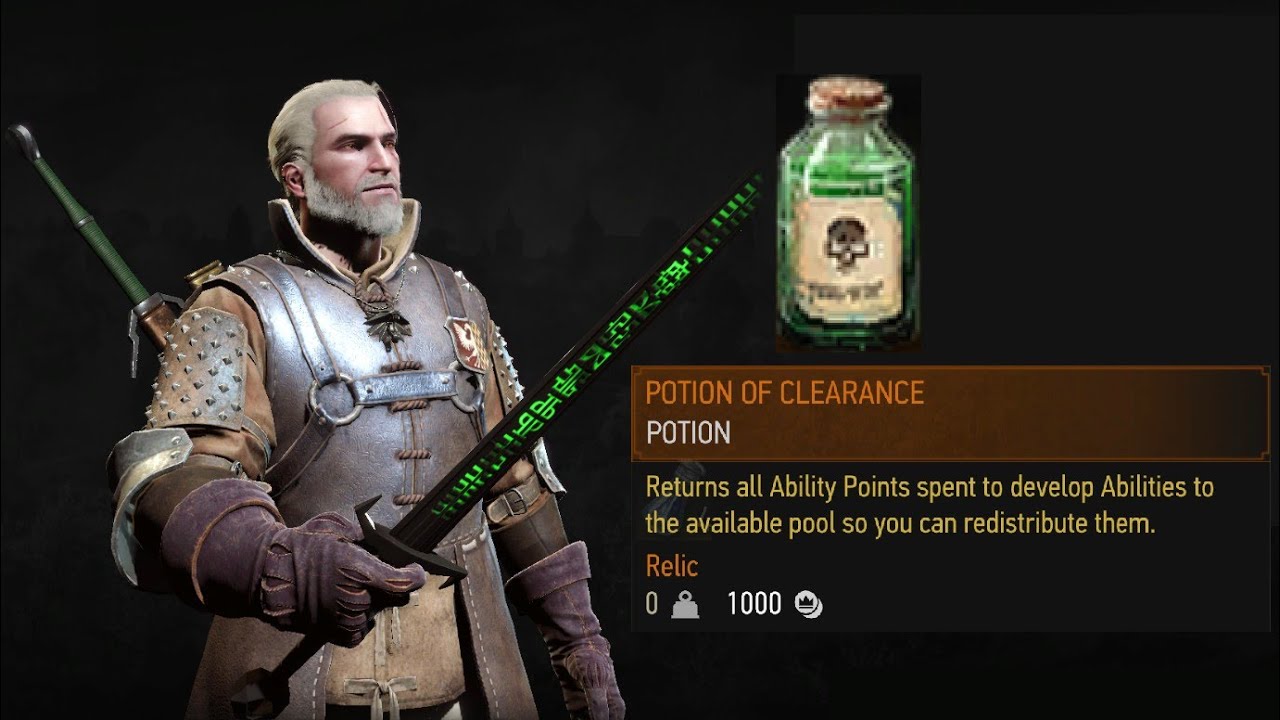
- Price: 1,000 crowns from any merchant that stocks it.
- Velen: Keira Metz, at her hut near Midcopse.
- Novigrad: Gildorf's shop near St. Gregory's Bridge.
- Skellige: Gremist (after the quest Practicum in Advanced Alchemy) and Yolar.
- Toussaint (Blood and Wine): several herbalists and alchemists.
At 1,000 crowns it is expensive in the first few regions, so do not plan on respeccing every few levels. Make your early choices with the builds above and save the potion for a deliberate change of playstyle. For a full early-game checklist beyond skills, see our Witcher 3 beginner's guide: first 10 things to do.
What the Witcher 3 Remastered Upgrade Means for Skills
CD Projekt Red has announced The Witcher 3: Wild Hunt — Remastered as a free upgrade for existing owners on qualifying platforms, launching September 29, 2026 on PC, PlayStation 5 and Xbox Series X|S, with Nintendo Switch 2 also listed. The official feature list includes "enhanced combat" and "a skill tree revamp".
As of this update, CD Projekt Red has not published what the skill tree revamp changes: no new skill names, effects, tier costs or slot rules have been detailed officially. Everything in this guide describes the current Complete Edition. If the revamp alters skill names or values, check the in-game descriptions after updating, and we will revise this guide once official details are available. Read our Witcher 3 Remastered release date and free upgrade explainer for everything confirmed so far.
Frequently Asked Questions
QWhat should my first skill point be in Witcher 3?
Muscle Memory is the safest first point for most players, since it boosts fast attack damage by 5% per rank and fast attacks are what you use most. Sun and Stars is a close second for its daytime health regeneration.
QDo skills work if I buy them but do not slot them?
Active skills only take effect when placed in a skill slot. However, the points you spent still count toward unlocking the next row of that tree, so buying an unslotted skill is a valid way to reach tier requirements.
QHow do I get more ability points early?
You get one per level-up, plus one from each Place of Power the first time you use it. Places of Power are marked on the map and are the quickest way to get extra points early.
QCan I reset my skills in Witcher 3?
Yes. The Potion of Clearance refunds all ability points. It costs 1,000 crowns and is sold by merchants including Keira Metz in Velen and Gildorf in Novigrad.
QWill the Remastered update change my skills?
CD Projekt Red lists a "skill tree revamp" among the Remastered features, but it has not detailed the changes. Until it does, treat this guide as accurate for the current Complete Edition and check in-game descriptions after updating.
For more guides, tools and requirements, visit our Witcher 3 game hub.
Sources checked on September 27, 2026 against CD Projekt Red's official Remastered announcement and next-gen update notes, and skill data from the Fextralife Witcher 3 wiki and Game8's Witcher 3 skill lists.
Kai Mercer covers game news, free games, release calendars and guides for xGamerss.
More from Kai Mercer →
Comments (0)
No comments yet. Be the first!
Sign in or create an account to earn karma — or comment as a guest.